
What is the Alexander Technique?
We all have ideas about things. Ideas are formed from our experiences of existence, and some are biologically given to us. Our ideas mostly operate subconsciously and determine what we are able to perceive and how we go about doing the things we do all the time. These become our patterns of behaviour. Our ideas influence us on every level of our experience.
With Alexander Technique you become increasingly more conscious of your own subconscious ideas, and gradually more able to work with, alter or disregard them. Our ideas often lead to us being uncoordinated at some level, with a myriad of consequences. These often include pain from habitual movement patterns, limitations on our skill development, or repetitive adverse reactions to situations that present themselves time and again.
With Alexander Technique you will learn to work with how you pay attention, leading to changes in what you are able to perceive. This ultimately leads to you being able to improve your own coordination, and better control your previously unconscious reactions. You become more efficient. You become able to author your experience, from how you move to how you think.

Photo by Dario Fernandez Ruz on Pexels.com 
Photo by Pixabay on Pexels.com 
Photo by Marlon Schmeiski on Pexels.com 
Photo by Budgeron Bach on Pexels.com 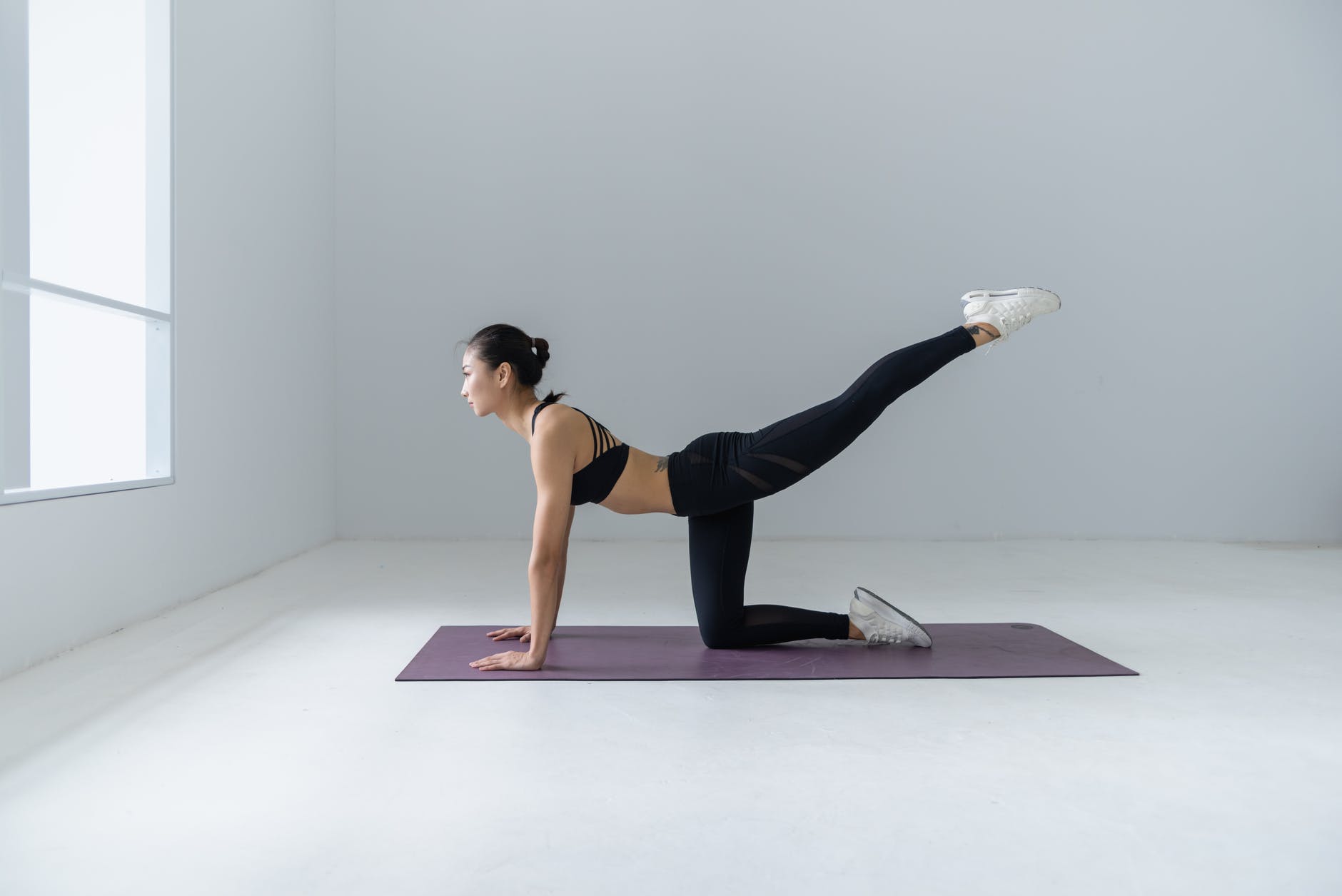
Photo by Li Sun on Pexels.com 
Photo by Anna Shvets on Pexels.com 
Photo by Oliver Sju00f6stru00f6m on Pexels.com 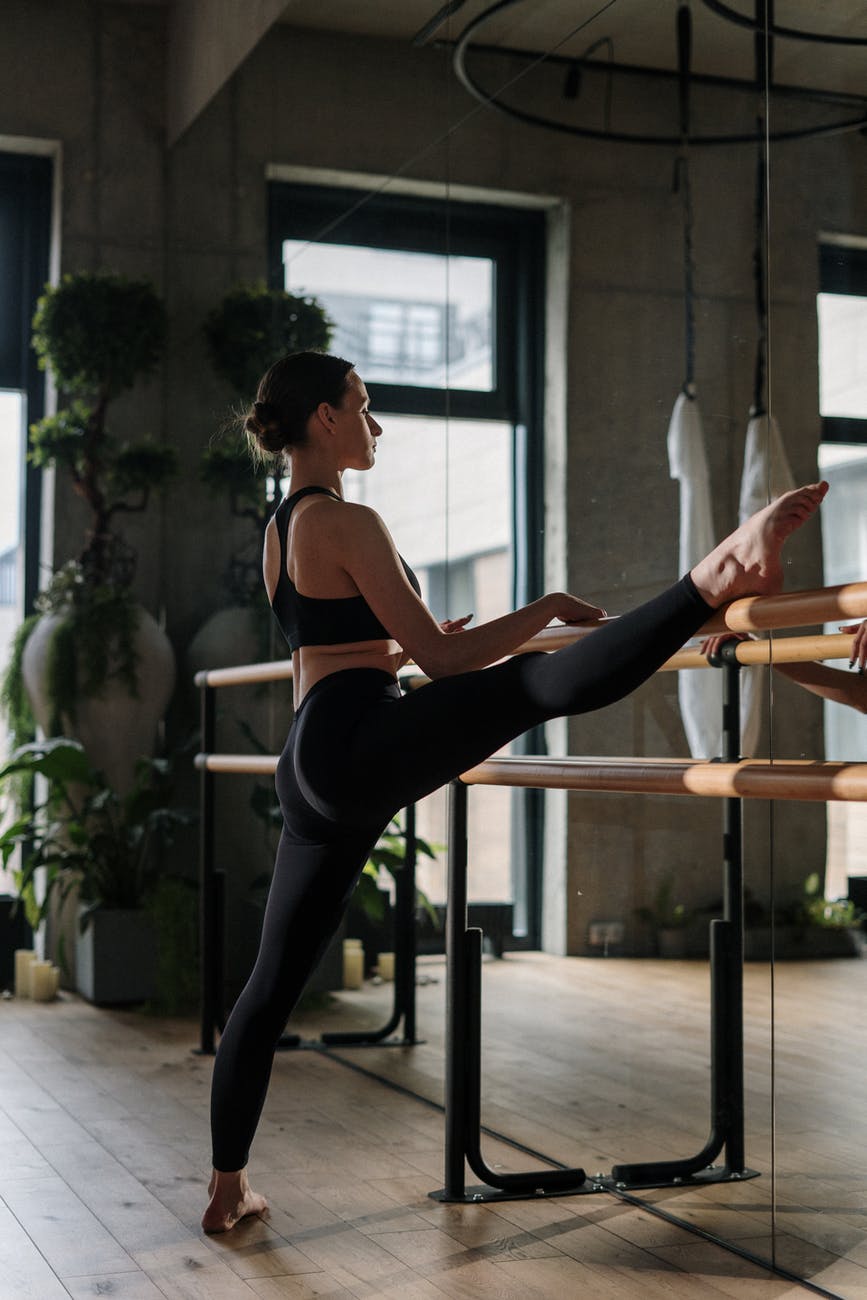
Photo by cottonbro on Pexels.com 
Photo by Mary Taylor on Pexels.com
Who is Alexander
Technique for?
Anyone who wants to improve their daily experiences. Often, people who learn the technique are looking to alleviate physical pain, such as back pain, neck problems, knee problems, etc, due to uncoordinated physical movement patterns. Performers and sports-people often have lessons to improve their skills and overall coordination. People who present themselves in any sort of public speaking forum often have lessons to improve how they speak, stand and physically appear (such as Nelson Mandela’s trial lawyers). People who wish to improve their breathing for various reasons have lessons. People with repetitive strain injuries often come for lessons. Pregnant women find the technique useful for managing their pregnancy, birth and childcare.
Since Alexander Technique works with how we improve our own efficiency in our daily lives, it has successfully been applied to most human endeavours, from dentistry to rock-climbing. Everyone can benefit from having lessons.
Your Guide
Daniel de Wet studied Alexander Technique through ATLTP under Sharyn West and Lucia Walker. He is a certified teaching member of ATI (Alexander Technique International). He has had additional training with Tommy Thompson, and Ted Dimon.

Daniel is also known as a performing musician and music teacher. He holds a masters degree from the University of the Witwatersrand, specialising in rhythmic cognition, rhythmic concepts and improvised music. He initially learned Alexander Technique as a way to deal with shoulder and knee problems associated with his piano playing and capoeira. He has since applied it to all aspects of his life and helps others do the same.
 In Time With Yourself